
Occam's AI Razor
On the physiological addictiveness of AI use

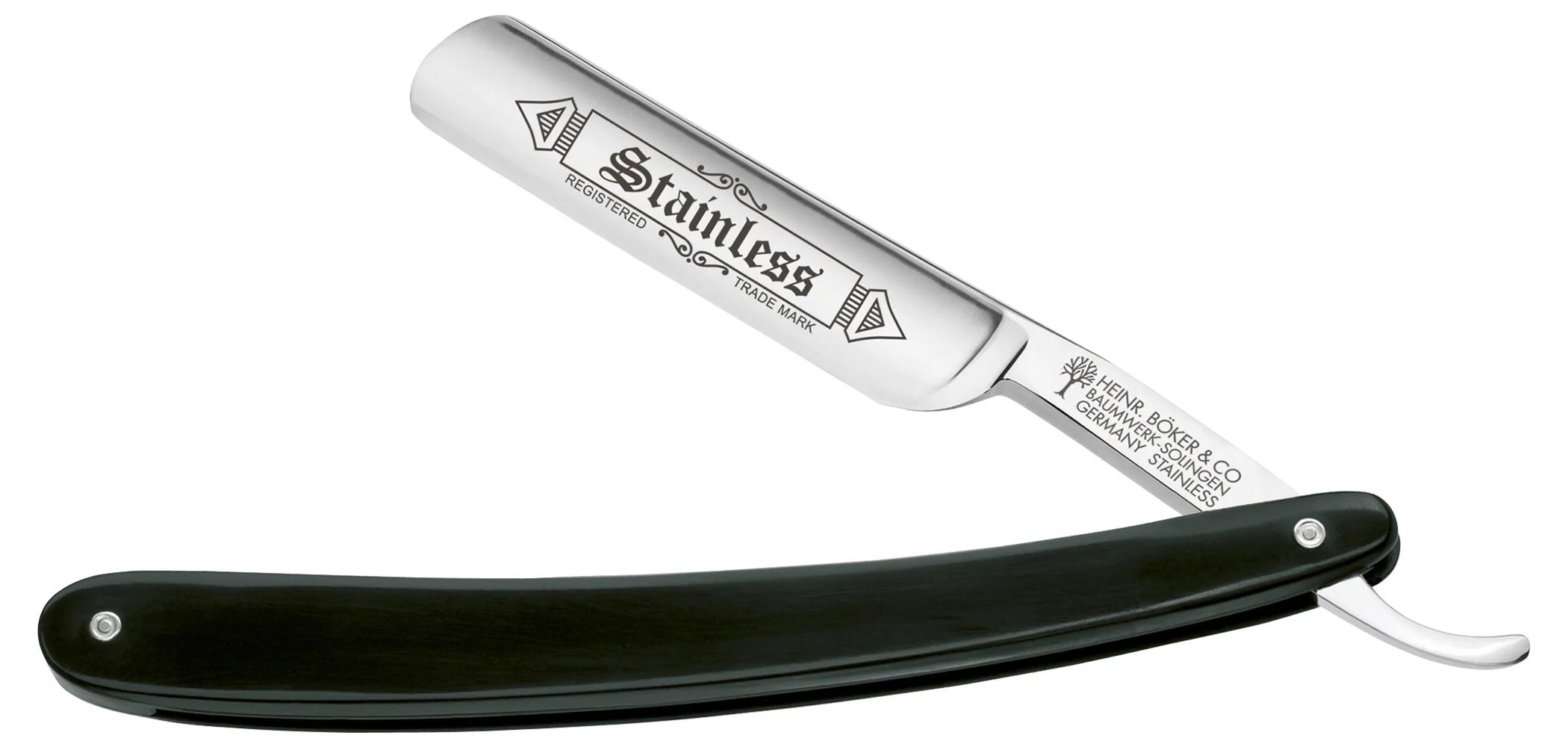
“great idea! want me to build it for you?”
AI is addictive, I find. Like social media is addictive. To produce a hormonal response that makes you want to keep using it. Burn those tokens. Help make Anthropic / OpenAI great again.
Last week I finished tuning my in-house AI bug bounty triage bot. 95% of bug bounty submissions are garbage. Probably saving .5 FTE eng time now that I can automate triage.
I found myself itching for another bug bounty submission to hit my email so I could crush it.
That alarmed me.
This is not the satisfaction of a craftsman using his tools. A hammer, a saw, an SDK, an IDE, may produce professional satisfaction but they do not produce an addictive feedback loop.
The reason I write this is because I am pattern matching across industry, both in-house and externally, to how folks are using AI. What I’m seeing is a lot of Rube Goldberg machines--eye-popping complexity when an existing SaaS app or built-in AI feature solves the problem. My hypothesis is that the physiologically addictive nature of AI use is the primary cause.
Sometimes AI is the wrong tool for the job. Your garage wall is covered in all the tools tech has built over the last 25 years. AI might be right solution. It might not be.
What’s the test? I propose what I call Occam’s AI Razor:
The simplest solution is probably the right solution.
Consider using this prompt: “hey clod, is there a simpler way to solve this problem?”
Maybe there isn’t. Maybe the problem you are solving is so gnarly, so novel, so AI-native that truly AI is the right solution.
Maybe. Maybe not.
The simplest solution is the fastest to build, the cheapest to deploy, the easiest to maintain, the least risky to secure, and the most elegant. Simplicity is beautiful engineering.
It’s also good business.